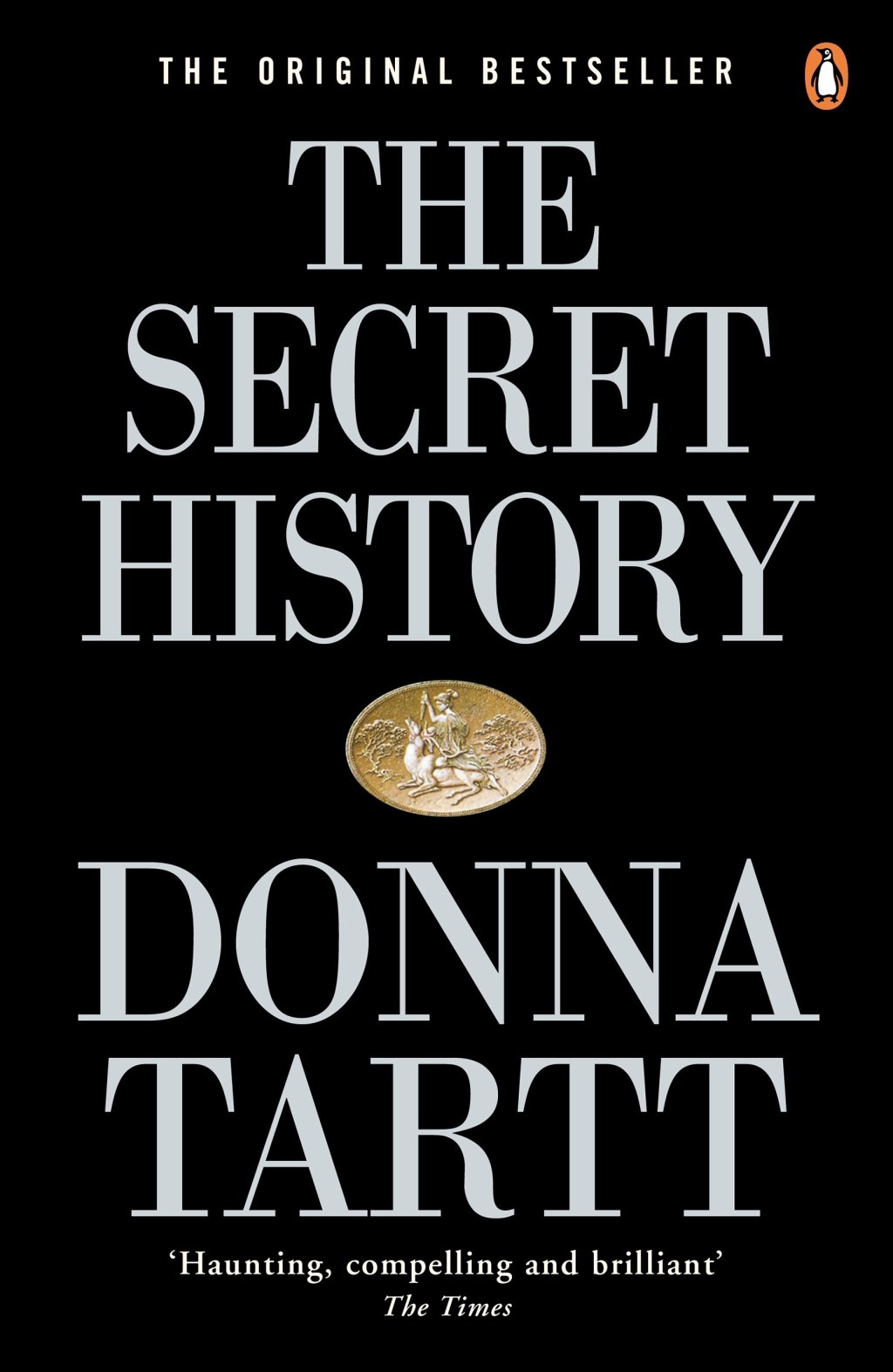
The Secret History is a maddening story that speaks to the soul; it affirms the fragility of the human form and explores the beauty and lure of insanity.
This year, I found myself gravitating towards stories I’ve already read and loved. It’s been easier for me to sink into a book I already know is going to be good, rather than starting a totally new story that takes time to settle. During all the chaos and business of my life, The Secret History was the book I decided to enjoy once again.
This book in many ways is a physical manifestation of what I cherish about reading. The author is not afraid of spending time and creating a narrative that hits hardest when nothing is happening. The characters are intriguing all in different ways. There are moments that frankly chill me to the bones and moments when I laughed aloud. All in all, this book is simply a beautiful creation by Donna Tartt that speaks to the soul.
The plot of this book is really hard to describe; The Secret History punches more weight than it should regarding its actual substance. That is, Tartt wrote 500 pages about an event that could’ve been much shorter, and weirdly, that fact works in favor of the story progression.
As I’ve said, this story is all about the slow descent into madness of our characters. Subtle and slow moments of harshness permeate the entire story, and even when nothing important is happening, the sheer tension in the pages keep you engaged and turning. Yes, there are shocking and exciting scenes, but the book is mainly dealing with conversations and dialogue that reveal something maddening about humanity. Everything gives a sense of gloom and bitterness, and the story doesn’t feel over when you flip the last pages – we are simply experiencing a part of a greater literature.
There is a certain mystery that surrounds the main six of our cast. Even after Richard completely assimilates into the group and they murder Bunny together, to the readers, it feels like we would never get to know them personally. After all, Henry’s suicide came as a total surprise to me. I had completely forgotten about it after my initial read, and I had never expected him to do such a thing during my second.
Perhaps this was not the normal experience for others, but it really highlighted how little I know these people. I was with them in their country’ household of summer dreams, in their moments of weakness and shame, and in their hidden bursts of harshness and anger, but I will never comprehend their full human form. That makes the story even more eerie and shows how unpredictable we are as creatures.
However, I also want to write about how realistic these characters are despite that. Tartt is not afraid to push them into their most terrible versions, and the way she depicts Bunny before his murder is so… hateable that I was frankly impressed. Bunny as a character just pulls off the pages and his attitude made him my favorite character because of how bad of a person he was.
Last thing I want to touch on is the prose. Simply put, the writing of this book is the best I’ve ever encountered in modern literature. Tartt has the knack to just beautifully translate feelings and emotions into tangible words. It feels ancient and timeless, like all stories should.
 colinbooks
Leave a comment